
Process
How the system works
A modern on-site power system is a microgrid: generation, storage, and controls working as one, able to run with the grid or entirely without it.
Generation
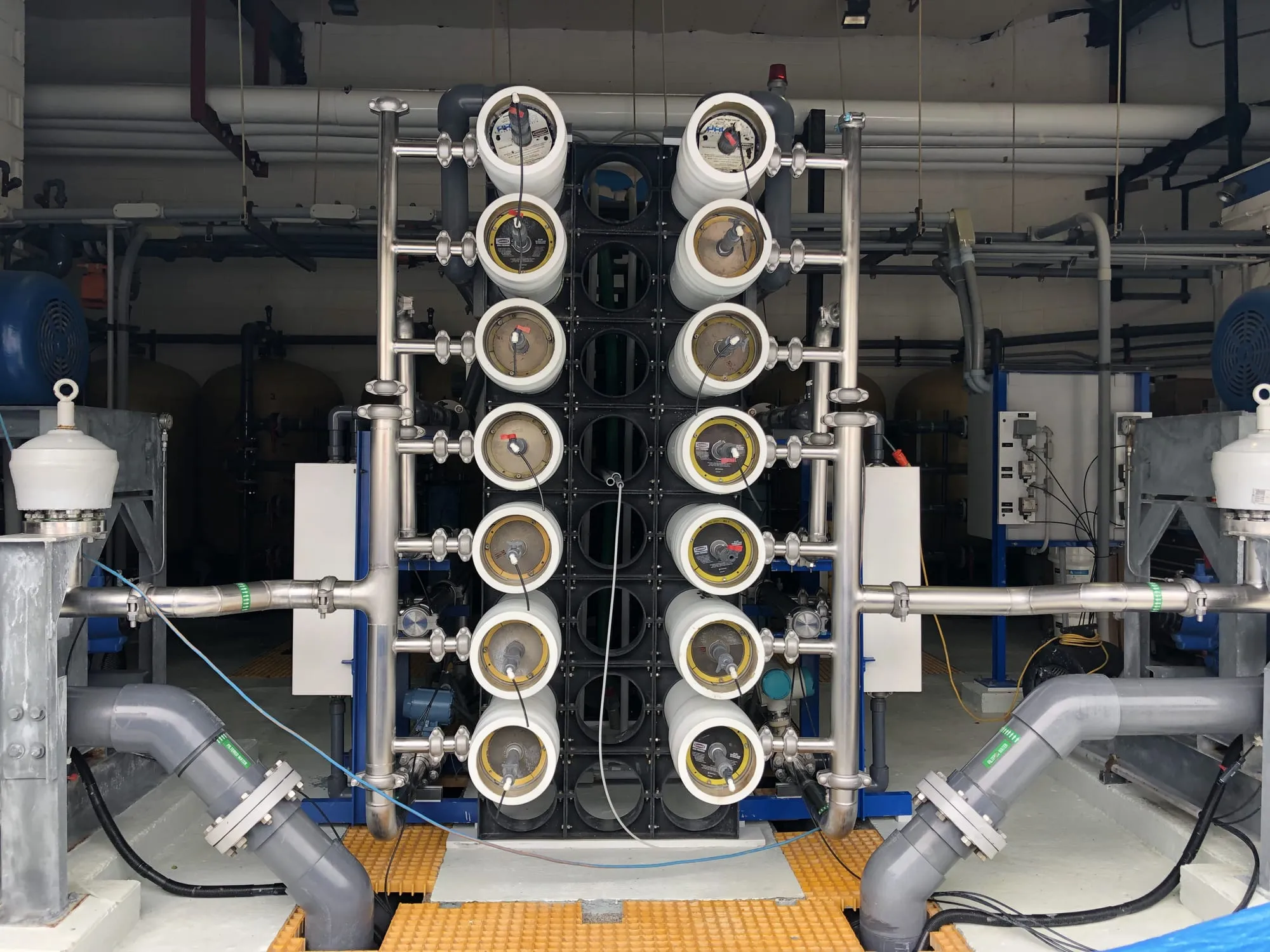
On-site units produce the power, from micro-turbines and generators, paired with solar.
Cogeneration
Where the property has steady heat demand, a cogeneration unit captures waste heat for hot water and laundry, so one fuel input does two jobs.
Storage
Batteries hold power, smooth demand, and cover the moment a generator starts or the sun sets.
Controls
A microgrid controller balances generation, storage, and load, and decides when to run off the grid.
Distribution
Power is routed across the property, with critical loads like the water plant, wastewater, and refrigeration protected first.
Connected to a grid or standing alone, the property keeps its own lights on.
Scope
What we build
We approach power plant construction as a build, not a row of rental gensets. As a power plant contractor that self-performs, we deliver:
- Complete on-site power plants for properties that must run independent of the grid
- Microgrid construction that unites generation, solar, and battery storage under one control system
- Cogeneration systems where steady heat demand makes them pay
- Commercial generator installation for prime and standby power
- Distribution and controls that keep critical loads powered first
Every system covers onsite power generation end to end: generation, storage, controls, and distribution, delivered as one accountable build.
It is distributed generation done as construction, sized to the property and built to last on a hard site.
Timing
Designed in, not bolted on
Power is the system everything else runs on. Treat it as an afterthought and the water plant, the wastewater plant, and the guest experience all inherit the problem.
And it never stands alone:
Water, power, and waste, built as one system. That is what lets a property run where the grid does not reach.
Why Stabilis
Why owners choose Stabilis
Power that stays on.
Generation, storage, and controls keep rooms and critical systems running through outages and storms.
Cost you can plan around.
The plant is sized to your real load in pre-construction, so you are not paying to overbuild or burning fuel on idle capacity.
Lower fuel, lower emissions.
Solar, storage, and cogeneration cut how much fuel the property burns and what it puts in the air.
Critical systems protected first.
The controls keep water, wastewater, and refrigeration powered before anything else during an outage.
Built to run off the grid.
The whole property can island and operate on its own, not just ride through a short blip.
One builder accountable for all of it.
We design the plant in and self-perform the build, so there is no gap between promise and delivery.
Coverage
Where this matters
This is core work where we build: the U.S. Virgin Islands, Puerto Rico, the Bahamas, and the island and coastal markets of Florida and Texas.
These are places where the grid is weak, costly, or absent, and outages arrive with every storm season. On-site power is often the only way a property runs at all, and it is exactly the remote, high-stakes work we are built for.
See all locations→The wider system
Part of a complete system
Power is the foundation the other three systems run on, and it pairs most closely with solar and storage. Plan them together and the whole property runs cleaner and cheaper.

See how the four fit together on the Resort Infrastructure overview, and how any of them gets built on How We Deliver.
FAQ
Frequently asked questions
What is cogeneration?
Cogeneration, also called combined heat and power, generates electricity and captures the heat that generation normally wastes, using it for hot water, laundry, or other needs. Because one fuel input produces two useful outputs, it is more efficient than making power and heat separately, which suits resorts with steady hot-water demand.
What is distributed generation?
Distributed generation means producing power at or near where it is used, instead of at a distant central plant that sends it over long transmission lines. On a remote island it is often the only practical model, and it improves resilience because the property is not depending on a fragile grid.
How much does it cost to build a power plant?
It depends on the property’s peak demand and daily energy use, the mix of generators, solar, and storage, fuel, redundancy, and whether it has to run fully off-grid. There is no single price. The reliable figure comes from early pre-construction, sized against your actual load.
How does a microgrid work?
A microgrid is a local network of generation, storage, and controls serving a defined area like a resort. It can run connected to the main grid or independently. When the grid fails, the microgrid islands and keeps the property powered from its own generation and batteries.
How does on-site power generation work for a business?
The business produces its own electricity on the property, often paired with cogeneration for heat, stores it in batteries, and manages it with a microgrid controller. Instead of depending on a weak or distant grid, it runs on power it controls, and critical systems stay on during an outage.
Talk to our team
Ready to plan the power plant into your project? Contact the team to talk through your site and your load, or send the details through our Request for Quote form.
Request a Quote (RFQ)We build where others can't.